
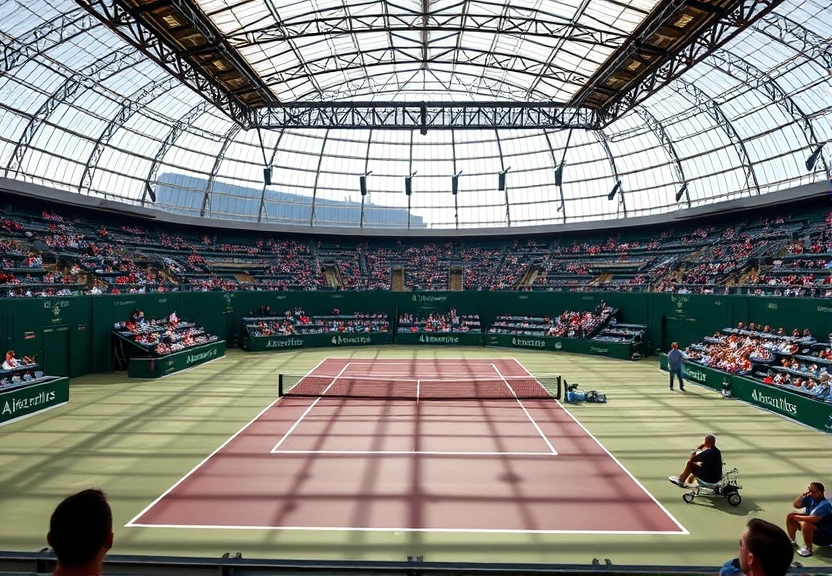
In this article you will learn the practical benefits of a surface change, the step-by-step process tournament organizers should follow, best practices to ensure a smooth transition, and common mistakes to avoid. Read on for actionable recommendations and concrete examples to help stakeholders navigate this important decision. If you are an organizer, player, coach, sponsor, or tennis professional – consider this a call to actively engage in the consultations and pilot tests that will shape the Rio Open’s future.
Benefits and advantages of the proposed change
The proposal that Rio Open busca mudança de piso e terá visita do presidente da ATP centers on improving alignment with the global tour and enhancing the tournament’s appeal. Key benefits include:
- – Better alignment with the international calendar: Changing the playing surface can position Rio to attract higher-ranked players preparing for adjacent events, improving field quality and broadcast interest.
- – Improved player performance and safety: Modern surfaces tailored to player feedback reduce injury risk and allow more predictable play patterns, which enhances competition quality.
- – Commercial and spectator advantages: A surface that produces consistent rallies and reduced maintenance downtime can improve fan experience and increase ticket revenue and sponsor interest.
- – Operational flexibility: A more durable surface reduces refurbishment frequency and long-term costs, while facilitating better scheduling for practice courts and community events.
These advantages explain why Rio Open busca mudança de piso e terá visita do presidente da ATP is not just a technical change but a strategic investment in the tournament’s international standing.
How-to steps and process to implement a surface change
Changing a tournament surface requires a structured process that balances technical, financial, and stakeholder considerations. Use the following action plan as a roadmap.
Step 1 – Initiate a feasibility study
- – Commission technical assessments on soil, drainage, and existing infrastructure to determine compatibility with alternative surfaces.
- – Engage ATP consultants early to ensure compliance with tour standards and to incorporate feedback from the president’s forthcoming visit.
Step 2 – Consult players, coaches, and medical staff
- – Run focus sessions with a representative group of players and medical professionals to evaluate preferences, injury considerations, and practice needs.
Step 3 – Pilot and test the new surface
- – Install a trial court and schedule closed sessions for players and officials to gather objective performance and maintenance data.
- – Collect laboratory data on ball bounce, friction, and wear – combine this with on-court feedback to refine specifications.
Step 4 – Budgeting and procurement
- – Create a phased budget that covers installation, certification, maintenance equipment, and contingency allocations.
- – Procure certified materials and hire contractors with ATP event experience to avoid installation errors.
Step 5 – ATP certification and scheduling
- – Coordinate with ATP officials for certification tests and to confirm calendar positioning so that the change complements other events.
Step 6 – Communication and stakeholder alignment
- – Launch an information campaign for fans, broadcasters, and sponsors about the benefits and timeline of the change.
- – Provide training for maintenance crews and update operational manuals to reflect the new surface’s care requirements.
Best practices for a successful transition
Adopting industry best practices minimizes risk and accelerates approval. Below are recommendations proven in high-level tournaments.
- – Engage the ATP early – Ensure the ATP president and technical teams are briefed and invited to inspect progress, which echoes the relevance of the visit announced in the news.
- – Use data-driven decisions – Combine player feedback with objective metrics such as ball rebound height, traction, and surface hardness.
- – Stage the transition in phases – Pilot courts first, then tournament courts, so problems can be resolved without disrupting the main event.
- – Prioritize player safety – Choose materials with proven impact mitigation and plan medical protocols based on the surface characteristics.
- – Maintain transparent communication – Regular updates to sponsors, federations, and fans build trust and keep commercial partners aligned.
Practical example
When an ATP event in another market changed surface types, organizers scheduled a two-week on-site trial with neighboring national teams, recorded injury metrics, and adjusted the surface mix based on that feedback. They also negotiated a calendar swap to secure player participation – a model that Rio organizers can adapt during the ATP president’s visit.
Common mistakes to avoid
Avoiding predictable errors will save cost and reputational risk. Common pitfalls include:
- – Rushing certification – Skipping thorough ATP testing to meet a deadline compromises safety and can result in retrofits that are more costly than the original installation.
- – Ignoring player feedback – Decisions made without consulting players and medical teams risk reduced participation and negative press.
- – Underestimating climate impact – Local weather affects surface performance; failing to model humidity and temperature effects leads to inconsistent playing conditions.
- – Poor budgeting – Neglecting long-term maintenance costs or emergency funds can strain the tournament’s finances.
- – Inadequate communication – Lack of transparency with sponsors and broadcasters can jeopardize commercial contracts.
Addressing these mistakes proactively will help Rio Open organizers demonstrate readiness when Rio Open busca mudança de piso e terá visita do presidente da ATP is reviewed.
Actionable tips and operational recommendations
- – Plan a two-stage approval timeline – Short-term pilot followed by full-scale certification to reduce schedule risk.
- – Allocate 15 percent contingency in the project budget for unforeseen installation or certification work.
- – Create a player advisory panel including international competitors to review test data and communicate preferences.
- – Document maintenance protocols and hold training sessions with the grounds crew months in advance of the tournament.
- – Use clear metrics such as surface traction coefficient, ball rebound consistency, and average daily maintenance hours to measure success.
Implementing these recommendations will increase the probability that the ATP president’s visit converts into formal support for the proposed change.
FAQ
1. What does the phrase “Rio Open busca mudança de piso e terá visita do presidente da ATP” mean for players?
Rio Open busca mudança de piso e terá visita do presidente da ATP signals that tournament organizers are actively evaluating a surface change to better align with the global tour. For players, this could mean adjustments in preparation – different shoes, changes to practice routines, and potential benefits in injury prevention if the new surface is designed with modern safety standards.
2. How long does it take to change a tournament surface and get ATP approval?
Timelines vary, but a conservative plan includes a 3-6 month feasibility and pilot phase, followed by installation and ATP certification that can take another 2-4 months depending on scheduling. Early engagement with ATP officials during the president’s visit can accelerate approval by clarifying requirements and technical expectations.
3. Will the surface change affect the tournament’s place on the international calendar?
Potentially yes. Surface type influences player scheduling decisions and fit with adjacent tournaments. Organizers should coordinate with the ATP to ensure the change enhances the tournament’s role in the calendar rather than isolates it. The president’s visit is an opportunity to negotiate calendar placement in parallel with surface certification.
4. What are the likely costs associated with a surface change?
Costs depend on the chosen surface, scope of infrastructure upgrades, and labor market. Typical budget lines include material procurement, specialized installation, drainage or sub-base work, certification testing, and additional maintenance equipment. Including a contingency of at least 10-20 percent is prudent.
5. How will spectators and broadcasters be affected?
A properly executed surface change can improve spectator experience through more consistent match play and fewer weather-related cancellations. Broadcasters benefit from predictability in match length and improved production planning. Communicating changes early ensures media partners can adapt technical setups such as camera placements and lighting plans.
6. What role does the ATP president’s visit play in the decision?
The president’s visit is both symbolic and practical. It allows ATP leadership to inspect technical work, assess compliance with tour standards, and provide guidance. A positive assessment can fast-track certification and calendar negotiations; a negative assessment will identify gaps to be addressed prior to approval.
7. How can local federations and sponsors contribute?
Federations can assist with technical expertise, player outreach, and alignment with national development goals. Sponsors can underwrite pilot courts, fund community engagement programs, and support marketing campaigns that communicate the rationale and benefits of the change.
Conclusion
Rio Open busca mudança de piso e terá visita do presidente da ATP represents a strategic crossroads for one of South America’s premier tournaments. The potential benefits – improved calendar alignment, enhanced player safety, and increased commercial appeal – justify a measured, data-driven approach. Key takeaways include:
- – Engage ATP and players early to secure technical buy-in and reduce approval risk.
- – Pilot and test before full installation to validate performance and safety metrics.
- – Budget realistically and include contingencies for certification and operational changes.
- – Communicate transparently with sponsors, broadcasters, and fans to maintain trust and commercial stability.
Next steps – Organizers should finalize the feasibility report, schedule the pilot court sessions, and prepare a detailed brief for the ATP president’s visit. Stakeholders should participate in consultations and provide timely feedback to ensure that the decision enhances the tournament’s international competitiveness.
If you are involved with the Rio Open or have expertise to contribute, engage now – attend stakeholder meetings, review pilot data, or reach out to the organizing committee to ensure your perspective shapes the outcome.
Original Source
Este artigo foi baseado em informações de: https://www.cnnbrasil.com.br/esportes/tenis/rio-open-busca-mudanca-de-piso-e-tera-visita-do-presidente-da-atp/
