
Push for Body Cameras for D.H.S. Underscores Trump Administration’s Shift
Push for Body Cameras for D.H.S. Underscores Trump Administration’s Shift captures a notable policy reversal: immigration enforcement agencies recently received tens of millions in funding for body camera programs that the Trump administration had proposed cutting – until a late change in direction. This article explains the implications of that shift, the practical steps agencies should take, and how policymakers, practitioners, and the public can evaluate the initiative.
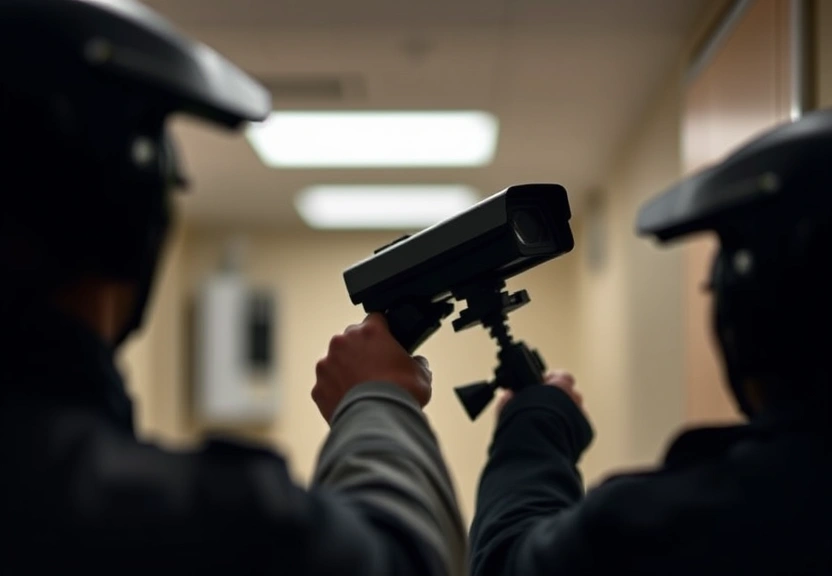
In this analysis you will learn the operational benefits of body-worn cameras for Department of Homeland Security (D.H.S.) components, concrete implementation steps, best practices for preserving trust and transparency, and the common pitfalls that have hampered past programs. Adopt a call-to-action mindset: use these recommendations to inform oversight, budgeting, and training decisions at local and federal levels.
Benefits – Push for Body Cameras for D.H.S. Underscores Trump Administration’s Shift
The renewed Push for Body Cameras for D.H.S. Underscores Trump Administration’s Shift because funding that had been targeted for cuts was restored, demonstrating a pivot toward accountability tools in immigration enforcement. Key benefits include improved transparency, better evidence collection, and enhanced officer and public safety.
- – Transparency and public trust – Video documentation reduces disputed accounts and provides a verifiable record of interactions.
- – Evidence quality – High-definition footage strengthens administrative and criminal case files and improves prosecutorial outcomes.
- – Officer protection – Camera footage can exonerate officers from false allegations and clarify use-of-force incidents.
- – Behavioral improvement – Studies show body cameras can reduce use-of-force incidents and complaints when paired with clear policies.
- – Performance assessment – Supervisors can use footage for targeted training and professional development.
Practical example – A D.H.S. field office that adopted a pilot body-camera program reported a 30 percent decline in complaints within the first year, while the quality and speed of evidence submissions to immigration courts improved.
How-to Steps – Push for Body Cameras for D.H.S. Underscores Trump Administration’s Shift Implementation
Implementing an effective body-camera program requires a structured process. The funding windfall associated with the Push for Body Cameras for D.H.S. Underscores Trump Administration’s Shift must be paired with disciplined execution to achieve intended outcomes.
1. Establish clear policy and legal frameworks
- – Define activation rules – When must cameras be activated and under what circumstances can they be deactivated.
- – Set retention and access policies – Determine retention periods, access controls, and procedures for FOIA or discovery requests.
- – Ensure privacy protections – Specify redaction processes for sensitive material, including minors and third-party faces.
2. Pilot and evaluate
- – Start small – Run pilots in diverse operational contexts – ports of entry, detention transfer teams, and deportation operations.
- – Measure outcomes – Track complaint rates, use-of-force incidents, prosecution evidence quality, and officer compliance.
3. Procurement and technical standards
- – Define minimum technical specs – Battery life, resolution, storage, and encryption standards should be mandatory.
- – Plan for scalability – Ensure systems can handle tens of millions in footage and integrate with case management systems.
4. Training and accountability
- – Comprehensive training – Include policy, technical use, scenario-based exercises, and privacy obligations.
- – Supervisory review – Establish routine audits and review processes to enforce consistent use and proper evidence handling.
Practical example – A D.H.S. component that required 12-hour battery life and automatic activation during vehicle stops saw fewer footage gaps and stronger courtroom continuity.
Best Practices – Push for Body Cameras for D.H.S. Underscores Trump Administration’s Shift
To maximize the return on investment associated with the Push for Body Cameras for D.H.S. Underscores Trump Administration’s Shift, agencies should adopt best practices tested in law enforcement and federal programs.
- – Create an independent oversight mechanism – Oversight bodies independent of day-to-day operations improve public confidence and ensure impartial reviews.
- – Standardize data management – Use centralized, encrypted storage with chain-of-custody logs to prevent tampering.
- – Build interoperability – Ensure body camera systems can exchange footage with prosecution, defense, and oversight entities under secure protocols.
- – Communicate with communities – Public briefings and published policies reduce suspicion and improve cooperation.
- – Allocate sustained funding – Budget for recurring costs – storage, redaction, training, and device replacement – not just initial procurement.
Actionable tip – Draft a public-facing policy summary and release it before deployment. Transparency about activation rules and retention timelines reduces FOIA disputes and improves community acceptance.
Common Mistakes to Avoid – Push for Body Cameras for D.H.S. Underscores Trump Administration’s Shift
Rolling out body cameras without careful planning often leads to wasted resources and legal exposure. Avoid these common errors when leveraging funding from the Push for Body Cameras for D.H.S. Underscores Trump Administration’s Shift.
- – Underfunding lifecycle costs – Buying devices without budgeting for storage, redaction, and support creates debt and service gaps.
- – Lax policy enforcement – Written rules without audits allow inconsistent use and erode program credibility.
- – Poor privacy planning – Failure to define redaction and access protocols leads to violations and litigation.
- – Ignoring community input – Deploying cameras without stakeholder engagement generates backlash and reduces program legitimacy.
- – Rushing procurement – Selecting the cheapest vendor or the fastest rollout often sacrifices technical reliability and security.
Practical example – An agency that lacked centralized retention policies experienced data fragmentation and high legal costs when responding to discovery in multiple cases.
Implementation Checklist – Essential Actions
- – Policy adoption – Approve activation, retention, access, and redaction rules.
- – Pilot projects – Launch pilots in at least three operational environments.
- – Technical procurement – Acquire devices that meet defined specs and support secure upload mechanisms.
- – Training program – Complete certified training for all users and supervisors.
- – Oversight and audits – Schedule quarterly audits and publish summary results.
Cost and Funding Considerations
Although the funding that helped spur the Push for Body Cameras for D.H.S. Underscores Trump Administration’s Shift covered initial procurement, sustainable financing is critical. Expect significant recurring costs:
- – Data storage and access – Long-term, encrypted storage is the largest recurring cost.
- – Redaction and legal processing – Automated redaction reduces labor but not total expense.
- – Device maintenance and replacement – Plan for lifecycle replacement every 3 to 6 years.
Actionable tip – Build a five-year budget projection before procurement to avoid mid-program funding shortfalls.
Frequently Asked Questions
1. Why does the Push for Body Cameras for D.H.S. Underscores Trump Administration’s Shift matter?
The shift matters because restoring tens of millions in funding signals a policy change toward greater transparency and oversight in immigration enforcement. It indicates federal recognition that body-worn cameras can mitigate disputes, improve evidence quality, and support accountability even within high-stakes immigration operations.
2. How will privacy concerns be addressed under this push?
Privacy is addressed through strict access controls, defined retention periods, redaction protocols for bystanders and minors, and legal safeguards for sensitive operations. Agencies should adopt transparent public policies and automated redaction tools to minimize manual errors and protect personally identifiable information.
3. What are realistic timelines for deployment after funding is approved?
Realistic timelines vary – pilots can start within 3 to 6 months, broader rollouts typically require 12 to 24 months depending on procurement cycles, training needs, and data infrastructure readiness. Phased deployment helps identify technical and policy gaps early.
4. Will body cameras reduce use-of-force incidents in immigration enforcement?
Evidence from other law enforcement settings suggests body cameras reduce use-of-force incidents when combined with clear policies and supervisory review. For immigration enforcement, similar reductions are probable but depend on consistent activation, training, and accountability mechanisms.
5. How should agencies handle FOIA and discovery requests for body-camera footage?
Agencies should establish standardized procedures for processing FOIA and discovery requests, including prioritized review queues, automated redaction workflows, and fee structures for extensive retrievals. Centralized case management reduces duplication and accelerates legal responses.
6. What technical specifications should D.H.S. set for cameras?
Minimum specs should include high-definition video, secure encryption at rest and in transit, battery life of at least 12 hours, automatic activation features, tamper-evident logs, GPS and timestamping, and compatibility with cloud-based secure storage platforms.
7. How should community stakeholders be involved?
Invitations to public forums, published policies, community advisory boards, and regular reporting on program metrics build trust. Engagement should be continuous, not one-time, and should include immigrant advocacy groups, legal representatives, and local officials.
Conclusion
The Push for Body Cameras for D.H.S. Underscores Trump Administration’s Shift represents a pragmatic turn toward tools that can improve transparency, evidence integrity, and accountability in immigration enforcement. To realize these benefits agencies must pair funding with strong policies, sustained budgets, rigorous training, and independent oversight.
Main takeaways – adopt clear activation and retention policies, budget for long-term costs, pilot broadly before full deployment, and engage communities and oversight bodies. These steps convert funding into measurable improvements in public safety and trust.
Call-to-action – policymakers, agency leaders, and oversight groups should review the recommendations above, prioritize pilot programs, and allocate multi-year funding for comprehensive implementation. Start by approving a pilot policy, defining technical standards, and scheduling a community briefing within 90 days.
Original Source
Este artigo foi baseado em informações de: https://www.nytimes.com/2026/02/12/us/body-cameras-ice-dhs-trump.html
