
Iran Is at Work on Missile and Nuclear Sites, Satellite Images Show
Iran Is at Work on Missile and Nuclear Sites, Satellite Images Show is a developing intelligence and open-source story with direct implications for regional security, nonproliferation policy, and international diplomacy. Recent high-resolution imagery and analyst reports indicate that repairs at key missile sites began soon after they were hit by Israeli and U.S. strikes last year, while activity at nuclear facilities has proceeded at a slower pace. This article explains what the imagery reveals, why it matters, and how stakeholders can evaluate and respond to this evidence.
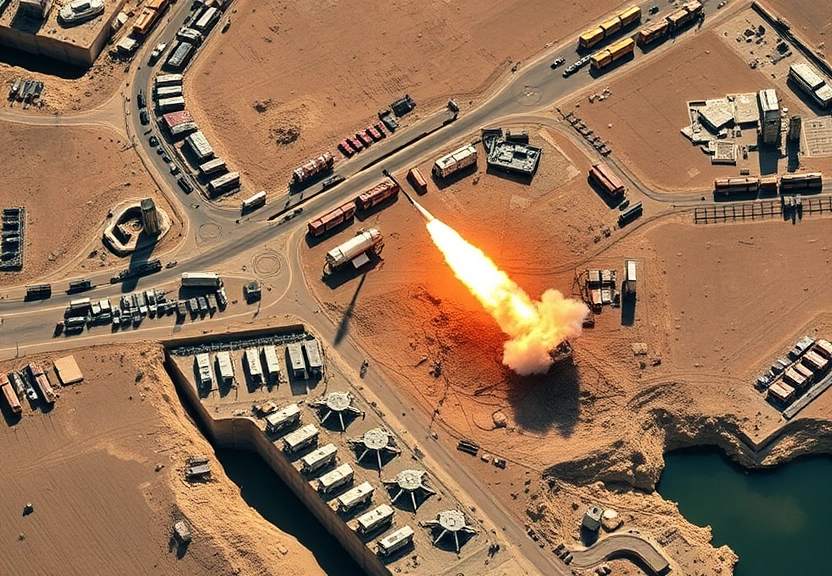
Read on to learn the practical steps analysts use to confirm activity from satellite imagery, the benefits of transparent monitoring, the best practices for interpreting visual data, and the common mistakes that lead to misinterpretation. If you monitor geopolitical risk, advise policy, or follow security developments, use these insights to inform decisions and to prioritize trusted verification channels.
Why Iran Is at Work on Missile and Nuclear Sites, Satellite Images Show Matters – Benefits and Advantages
Understanding that Iran Is at Work on Missile and Nuclear Sites, Satellite Images Show provides several concrete advantages for policymakers, analysts, journalists, and the public. First, satellite imagery supplies independent, time-stamped visual evidence that can corroborate or challenge state statements. That independence strengthens credibility in public reporting and diplomatic communication.
Second, timely imagery allows authorities to track the pace and scale of repairs or construction. In the case of missile sites, the rapid repairs visible in the post-strike imagery indicate operational prioritization and resource allocation that can inform threat assessments and contingency planning. Conversely, slower work at nuclear facilities suggests different logistical or political constraints, a key nuance for nonproliferation strategies.
-
– Strategic awareness – rapid visibility into reconstruction timelines and capabilities
– Accountability – third-party verification to support sanctions, inspections, or diplomatic action
– Risk prioritization – differentiated timelines for missile and nuclear activities guide resource allocation
How Analysts Confirm Activity – Steps and Process
To turn raw imagery into actionable intelligence, analysts follow a defined process. The following step-by-step method explains how professionals confirm that Iran Is at Work on Missile and Nuclear Sites, Satellite Images Show and how to distinguish genuine repairs from routine maintenance or camouflage.
Step 1 – Acquire time-series imagery
Start with multiple images of the same coordinates across a defined timeframe. Time-series imagery reveals patterns – what was damaged, what changed, and how quickly those changes occurred. For example, imagery taken days after a strike that shows cleared debris, rebuilt hangars, or restored road access strongly suggests purposeful repair activity.
Step 2 – Apply multispectral and high-resolution analysis
Use optical, infrared, and synthetic aperture radar (SAR) sensors. Optical images show visible changes; infrared can detect heat anomalies that indicate fresh construction or active machinery; SAR can reveal ground disturbance even under poor weather. Combining sensors improves confidence.
Step 3 – Cross-reference geolocation and open-source data
Confirm coordinates against authoritative maps and known facility layouts. Cross-check findings with open-source reporting, social media images, commercial satellite providers, and official statements. Independent corroboration reduces false positives.
Step 4 – Assess intent and capability
Translate observed repair activity into capability assessments. Rapid repairs to missile infrastructure may indicate prioritized resilience and reduced downtime. Slower progress at nuclear sites may reflect supply constraints, tighter security measures, or deliberate pacing to avoid detection.
Practical example
After reported strikes, analysts observed new construction materials staged near missile launch shelters, modified access roads, and replacement of launch equipment – all within weeks. In contrast, nuclear sites showed limited exterior movement and no immediate signs of core facility rebuilds. These differences helped shape tactical recommendations for international inspectors and policymakers.
Best Practices for Interpreting Satellite Evidence
Interpreting satellite images requires rigor. The following best practices increase reliability when evaluating claims that Iran Is at Work on Missile and Nuclear Sites, Satellite Images Show.
-
– Use multiple data sources – corroborate optical imagery with SAR, signals intelligence when available, and trusted open-source reporting.
– Maintain time-context – examine imagery across weeks and months to avoid over-interpreting transient activity.
– Document methodology – keep a clear audit trail of imagery dates, sensors used, and analytical steps to support public or policy-facing claims.
– Apply conservative inference – differentiate between observable repair activity and inferred operational intent; be explicit about confidence levels.
– Engage domain experts – military engineers, nuclear scientists, and regional analysts can validate technical interpretations and reduce misreading.
Actionable tip
When preparing a brief, include annotated imagery with timestamps, a short methodological appendix, and a confidence statement such as high, medium, or low confidence. This increases credibility and usability for decision-makers.
Practical example
For a missile site, best practice includes noting the sequence of observed repairs – debris removal, structural shadow changes, equipment placement, and vehicle traffic patterns. For nuclear sites, best practice focuses on access control changes, construction staging, and thermal anomalies that could indicate activity within buildings.
Common Mistakes to Avoid When Assessing Site Repairs
Mistakes in image interpretation can mislead policy and public opinion. Avoid these common errors when you analyze claims that Iran Is at Work on Missile and Nuclear Sites, Satellite Images Show.
-
– Overreliance on single images – a single frame can be misleading; always use temporal context.
– Ignoring sensor limitations – optical sensors are hindered by cloud cover and lighting; SAR is affected by surface roughness.
– Mistaking routine maintenance for reconstruction – routine logistics can resemble repair activity without indicating strategic shifts.
– Failing to corroborate – unverified social media or non-expert commentary should not be used as sole proof.
– Attributing intent prematurely – activity does not always equate to weaponization intent; consider alternate explanations.
Actionable tip
Implement a checklist before public dissemination: confirm imagery dates, sensor type, change pattern consistency, and at least one independent corroborator. Record uncertainty and potential alternative explanations.
Practical example
In one case, increased vehicle traffic at a nuclear-adjacent logistics compound was initially reported as reactor-related work. Cross-referencing shipping manifests and local construction permits showed the activity was civilian infrastructure repair, not nuclear-site reconstruction.
FAQ
1. How reliable are satellite images for confirming repairs at missile and nuclear sites?
Satellite images are a reliable tool when used correctly. Reliability increases with multi-sensor analysis, time-series imagery, and corroboration from open-source intelligence or official confirmations. High-resolution optical and SAR images can clearly show structural changes and ground disturbance. However, images alone do not prove intent – they show activity and physical changes. Analysts must combine imagery with contextual data to draw robust conclusions.
2. What evidence shows missile sites were repaired faster than nuclear facilities?
Evidence includes time-stamped imagery that displays cleared debris, restored protective shelters, replacement of vehicles or missile-support equipment, and reconstituted access roads within weeks of reported strikes. For nuclear facilities, imagery has shown slower or limited exterior changes, fewer visible logistics buildups, and delayed replacement of major infrastructure. These differences indicate a prioritization of missile-site repairs relative to nuclear-site work.
3. Can satellite images be manipulated or misinterpreted?
While raw satellite imagery is difficult to falsify at scale, misinterpretation is common. Cropping, selective presentation, and lack of temporal context can create misleading narratives. Sophisticated adversaries may attempt camouflage or deception, such as decoy structures. To mitigate this, analysts use multiple sensors, independent sources, and transparent methodology documentation to validate findings.
4. What are the policy implications if repairs continue at missile sites?
Continued repairs suggest resilience and the ability to restore operational capacity, influencing regional deterrence calculations and nonproliferation policy. Policymakers may respond with increased surveillance, renewed diplomatic pressure, targeted sanctions, or calls for inspections. The specific response depends on the assessed threat level, legal frameworks, and allied coordination.
5. How should journalists report on satellite findings responsibly?
Journalists should report imagery findings with clear attribution, describe analytical methods, state confidence levels, and avoid overclaiming intent. Include expert commentary, provide timestamps and sensor details, and reference corroborating sources. Responsible reporting helps prevent misinformation and informs public debate with measured analysis.
6. What next steps should analysts take to monitor these sites?
Analysts should maintain continued time-series monitoring, prioritize multi-sensor collection, seek corroborating human intelligence or official inspections when possible, and share verified findings with appropriate channels. Establishing an alert threshold for specific changes – for example, the appearance of new hardpoints or thermal anomalies – improves response readiness.
Conclusion
Iran Is at Work on Missile and Nuclear Sites, Satellite Images Show is a significant open-source observation that warrants careful, methodical analysis. Key takeaways are: satellite imagery offers independent, timely evidence; missile-site repairs have proceeded rapidly after reported strikes; nuclear-site work has been slower; and rigorous, multi-source analysis is essential to avoid misinterpretation.
For analysts and decision-makers, adopt the recommended process – time-series acquisition, multi-sensor interrogation, and corroboration – and apply the best practices and checklist described above. For journalists and the public, demand transparent sourcing and clear confidence statements.
Next steps – subscribe to trusted imagery providers, establish monitoring routines, and coordinate cross-disciplinary expertise to convert images into reliable insights. Maintain vigilance, document methodology, and use verified findings to inform policy, reporting, and public understanding.
Original Source
Este artigo foi baseado em informações de: https://www.nytimes.com/2026/02/06/world/middleeast/iran-missile-nuclear-repairs.html
