
Fim da espera? Nissan Kicks híbrido que faz mais de 20 km/l prepara sua estreia
Fim da espera? Nissan Kicks híbrido que faz mais de 20 km/l prepara sua estreia draws immediate attention because it promises a long-awaited shift in the Brazilian compact SUV market. After nearly a decade of announcements and prototype sightings, Nissan appears ready to introduce a model that uses the internal combustion engine as a generator – a configuration designed for exceptional efficiency. This article explains what that means for drivers, how the system works, and how to prepare for the launch.
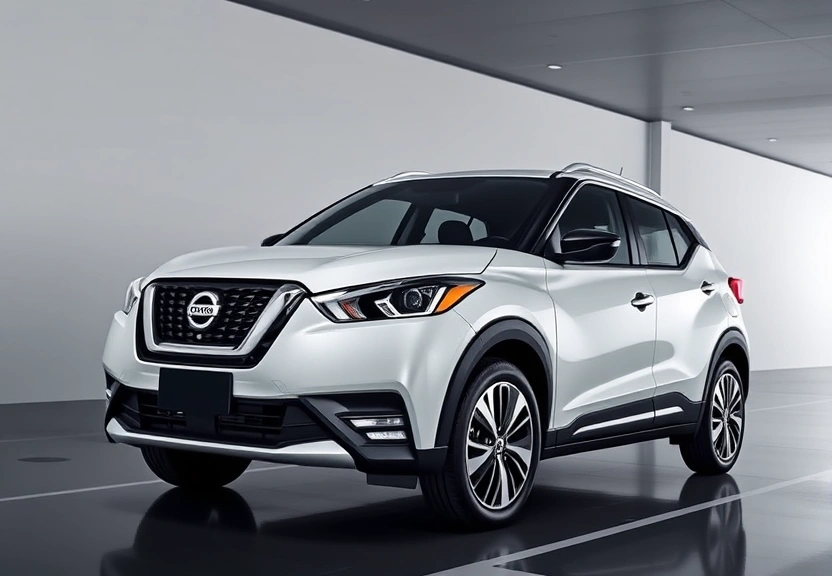
Read on to learn the technical details, real-world advantages, practical ownership steps, and how to maximize the vehicle’s fuel economy. If you are considering this model, this guide will help you make an informed decision and act quickly when the Nissan Kicks hybrid finally arrives in Brazil.
Benefits and advantages of the Nissan Kicks hybrid
The headline – Fim da espera? Nissan Kicks híbrido que faz mais de 20 km/l prepara sua estreia – highlights the most attractive promise: fuel consumption exceeding 20 km per liter in mixed driving. Below are the primary advantages buyers and fleet managers should consider.
-
–
- Outstanding fuel efficiency – The series-hybrid architecture, where the gasoline engine works mainly as an on-board generator, optimizes engine operation for efficiency. Expect city and highway figures that can markedly reduce refueling frequency and operating costs.
- Lower running costs – Reduced fuel use, potential for lighter braking wear due to regenerative braking, and optimized engine load translate into lower total cost of ownership compared with conventional small SUVs.
- Cleaner emissions profile – By allowing the engine to run at narrow, efficient operating points, emissions per kilometer can drop significantly relative to conventional engines doing variable speed work.
- Smoother city driving – Electric torque delivery improves low-speed responsiveness and reduces the stop-start roughness common in older hybrids.
- Market timing for Brazil – If introduced soon, this Kicks hybrid addresses consumer demand for more efficient compact SUVs without the infrastructure constraints of full battery electric vehicles.
–
–
–
–
Practical example: A family driving 12,000 km per year at 20 km/l and fuel at BRL 6.00 per liter spends BRL 3,600 annually on fuel. A vehicle averaging 12 km/l under the same conditions would cost BRL 6,000 – a saving of BRL 2,400 per year.
How the system works – step-by-step process
Understanding the hybrid architecture helps evaluate real-world performance and maintenance expectations. The Nissan Kicks hybrid under discussion reportedly uses a series-hybrid concept – the internal combustion engine (ICE) generates electricity while electric motors drive the wheels. Below are the technical steps in normal operation.
Step 1 – Start and low-speed operation
At ignition and low speeds, the vehicle is driven primarily by the electric motor using energy from the battery. The ICE can remain off until additional energy is needed, which improves urban efficiency.
Step 2 – Battery management and regeneration
Regenerative braking captures kinetic energy during deceleration and stores it in the battery. The vehicle’s control system prioritizes battery state-of-charge to determine when to run the ICE as a generator.
Step 3 – Generator mode for sustained cruising
During sustained highway speeds or when the battery falls below a threshold, the ICE runs at optimized speed and load to produce electricity – a highly efficient operating point compared with variable-load direct-drive engines.
Step 4 – Power distribution and control
The power electronics and software manage energy flow between battery, motor, and generator. This control logic is the core of the efficiency gains and is tuned to Brazilian driving patterns to maximize real-world consumption.
Actionable tip: For potential buyers, request a technical briefing at dealerships and ask for data from WLTP or local cycles that reflect urban and highway consumption. Bring a driving route you commonly use and ask to compare estimated vs. observed consumption on a test drive.
Best practices for ownership and maximizing efficiency
To extract the more than 20 km/l promise in real-world use, owners should adopt specific driving and maintenance habits. Below are recommended best practices.
-
–
- Use eco-mode and predictive features – If available, enable eco or economy driving modes and any route-predictive energy management features to prioritize efficiency.
- Plan driving to favor regenerative braking – Gradual deceleration and anticipating stops increase regenerative capture and reduce reliance on the ICE.
- Maintain recommended tire pressure and light loads – Proper tire pressure and minimizing excess cargo reduce rolling resistance and energy demand.
- Follow the maintenance schedule – Regular battery health checks, software updates, and electrical system inspections ensure sustained efficiency and avoid premature degradation.
- Use fuel with recommended octane and quality – Since the ICE will operate at consistent loads, fuel quality directly affects generator efficiency and emissions.
–
–
–
–
Practical example: A ride-share driver who shifts from aggressive braking to smoother driving and follows the recommended maintenance schedule can improve average fuel economy by 10 to 15 percent, which compounds into substantial monthly savings.
Common mistakes to avoid
Adopting a new hybrid technology often leads to misconceptions and avoidable errors. These common mistakes can reduce efficiency or create unexpected costs.
-
–
- Assuming it is an ordinary hybrid – Expect differences in behavior and service needs. The series-hybrid layout means the ICE is optimized as a generator – not as a direct drive engine.
- Neglecting software updates – Control software can receive efficiency improvements post-launch. Failing to update can leave your vehicle operating below potential.
- Using the wrong maintenance provider – Unauthorized shops may lack diagnostic tools for hybrid-specific systems. Use certified technicians for battery and power electronics work.
- Overlooking battery warranty terms – Battery replacement can be costly. Understand warranty coverage, mileage limits, and conditions that could void coverage.
- Driving aggressively expecting instant fuel savings – High-speed or aggressive driving quickly lowers combined fuel economy. For the best results, adopt the previously described best practices.
–
–
–
–
Actionable tip: Before purchase, review the manufacturer’s warranty leaflet and request a sample maintenance invoice from dealers already servicing Nissan hybrids to understand recurring costs.
FAQ
1. Will the Nissan Kicks hybrid really achieve more than 20 km/l in Brazilian traffic?
Reported figures indicate the vehicle can exceed 20 km/l under mixed driving when the series-hybrid system operates efficiently. Real-world results depend on driving habits, traffic conditions, and maintenance. Drivers who follow eco practices and city driving optimized for regenerative braking are most likely to approach or exceed the advertised figure.
2. How does the series-hybrid architecture differ from a conventional hybrid?
In a series-hybrid, the internal combustion engine acts primarily as a generator to produce electricity, while electric motors drive the wheels. In many conventional hybrids, the engine can drive the wheels directly or through a transmission. The series approach allows the ICE to run at steady, efficient points, which is the key to higher fuel economy in urban and highway conditions.
3. When will the Nissan Kicks hybrid be available in Brazil and what is the expected price range?
Official launch dates depend on Nissan’s regional strategy and regulatory approvals. After years of promises, the model appears near debut, but precise timing and pricing should be confirmed with local dealers. Expect pricing to be positioned above conventional Kicks trims but below luxury plug-in models, reflecting the technology premium and efficiency benefits.
4. What maintenance or service differences should owners expect?
Owners should expect specialized diagnostics for the hybrid control unit, scheduled checks for battery health, and software updates. Routine items like brakes and tires remain similar, but regenerative systems usually extend brake component life. Use authorized service centers to preserve warranty and ensure correct handling of high-voltage components.
5. Is the battery rechargeable from the grid or only by the engine and regeneration?
Reports suggest the architecture uses the ICE and regenerative braking to charge the battery rather than a plug-in external charging option. Confirm with Nissan whether any plug-in variant will be offered locally, but the likely focus is on a non-plug-in series hybrid that does not require charging infrastructure.
6. How long will the hybrid battery last and what are replacement costs?
Battery lifespan varies with usage, climate, and maintenance. Manufacturers typically offer multi-year warranties for hybrid batteries. Replacement costs for hybrid batteries can be significant, so review warranty terms and consider extended coverage if available. Proper maintenance and avoiding deep discharges help prolong battery life.
7. Will the series-hybrid configuration affect cargo space or interior layout?
Packaging for series hybrids can require additional components but modern designs minimize intrusion into passenger and cargo areas. Expect minimal to moderate changes in cargo volume compared with conventional Kicks models. Review specific trim specifications when the model is officially released.
8. Are there government incentives for this type of hybrid in Brazil?
Incentives vary by state and federal policy. Series hybrids may not qualify for the same benefits as full electric vehicles, but lower fuel consumption can indirectly reduce tax burdens tied to emissions in some jurisdictions. Check local regulations and incentive programs when evaluating total ownership cost.
Conclusion
Fim da espera? Nissan Kicks híbrido que faz mais de 20 km/l prepara sua estreia signals a potentially important arrival for Brazilian consumers seeking highly efficient compact SUVs without the need for charging infrastructure. The combination of series-hybrid technology, improved fuel economy, and lower operating costs makes this model attractive for private buyers and fleet operators alike.
Main takeaways: – The vehicle promises more than 20 km/l in mixed driving when used and maintained properly. – The ICE is used primarily as a generator to maximize efficiency. – Owners should follow best practices for driving and maintenance to realize the full efficiency potential.
Call to action: If you are interested in this model, sign up for official Nissan updates, schedule a test drive when the model is available, and prepare questions about warranty and maintenance. Early research will let you compare total cost of ownership and secure a favorable purchase or fleet acquisition plan.
Prepare now – monitor dealership announcements, request technical briefings, and evaluate how the Nissan Kicks hybrid would fit your driving needs. This is the moment to move from anticipation to informed action when the official launch occurs.
Original Source
Este artigo foi baseado em informações de: https://autopapo.com.br/curta/fim-da-espera-nissan-kicks-hibrido-que-faz-mais-de-20-km-l-prepara-sua-estreia/
