
The Olympics Are a Show Of Global Harmony. The World is Anything But.
The Olympics Are a Show Of Global Harmony. The World is Anything But. captures a central tension in modern international sport: the ceremonial pageantry of nations competing for medals while diplomatic conflicts, economic rivalries, and social fractures ripple beyond the stadium lights. As the Winter Games officially open in Italy on Friday, the contradiction is visible – an event built on international cooperation set against a background where traditional rules and alliances are shifting.
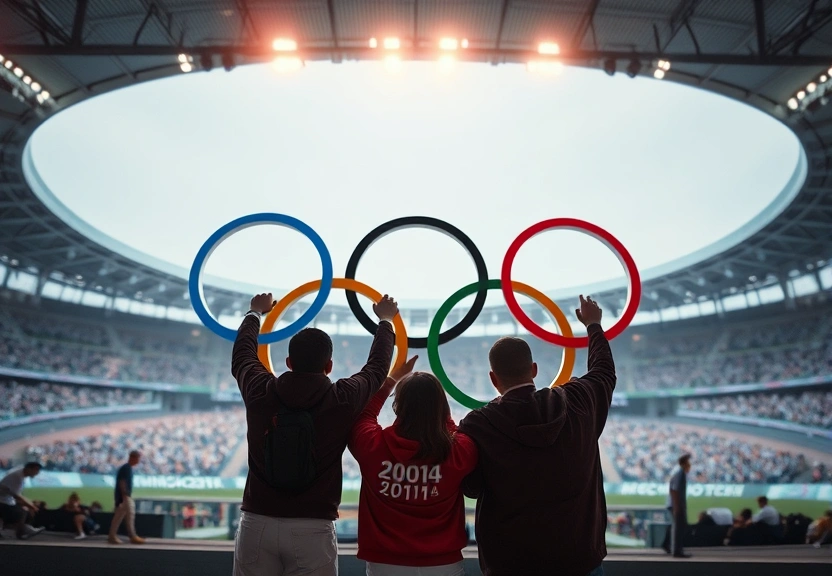
In this article you will learn why The Olympics Are a Show Of Global Harmony. The World is Anything But. is a useful framing for assessing the Games, how stakeholders can respond, and what practical steps athletes, organizers, media, and policymakers should take to preserve the integrity and safety of sport. Adopt a call-to-action mindset: use the Games as an opportunity to demand transparency, protect athletes, and promote constructive diplomacy rather than naive celebration.
Benefits and Advantages of the Olympic Framework
The Olympic movement still delivers measurable benefits even when global politics are strained. Understanding those advantages helps explain why nations continue to invest in hosting and participating despite contradictions.
- – Diplomatic engagement: The Games provide a neutral platform for informal diplomacy, back-channel talks, and people-to-people exchanges that can ease tensions.
- – Economic stimulus: Host regions receive infrastructure investment, tourism inflows, and job creation – with careful planning this can provide long-term economic gains.
- – Global visibility for issues: Athletes and delegations can raise awareness for humanitarian, environmental, and social causes to international audiences.
- – Shared cultural experience: Spectators and participants witness cross-cultural exchange that can reinforce mutual understanding at an interpersonal level.
Example: Even when geopolitical tensions were high during past Olympics – from the Cold War-era boycotts to more recent diplomatic disputes – the event often preserved channels of contact that would otherwise be closed. Preserving those channels is a concrete reason governments continue to support the Olympic model.
How-to Steps and Process – Engaging the Olympics Intelligently
When assessing or participating in an Olympics that sits uneasily with global politics, follow a clear process to balance ideals and realities. These steps help organizations and individuals act responsibly.
Step 1 – Evaluate risks and priorities
- – Identify security, legal, and reputational risks for stakeholders.
- – Rank priorities: athlete safety, human rights concerns, logistical feasibility, and public perception.
Actionable tip: Host committees and federations should publish transparent risk assessments and mitigation plans before the Games.
Step 2 – Apply a principled engagement strategy
- – Use sport diplomacy tools to create limited, well-defined engagement channels where official talks are needed.
- – Avoid blanket boycotts that can harm athletes while delivering limited political change.
Practical example: Targeted sanctions on specific officials or institutions combined with athlete-level participation protects competitive fairness while signaling political disapproval.
Step 3 – Communicate clearly with stakeholders
- – Provide athletes and staff with unambiguous guidance on conduct, safety protocols, and political expression rules.
- – Engage media early to set expectations about access, censorship concerns, and transparency measures.
Actionable tip: Establish a joint transparency portal that publishes official statements, safety updates, and independent monitoring reports.
Best Practices for Stakeholders
Best practices differ by role. The following recommendations are practical and implementable across athletes, organizers, media, and governments.
For Organizers and Host Governments
- – Prioritize independent oversight – invite neutral observers for human rights, safety, and doping controls.
- – Commit to legacy planning – design infrastructure with post-Games use to avoid stranded assets.
- – Publish clear legal protections – guarantee press freedom and athlete rights during the event period.
Practical example: Contracts with event contractors should include enforceable clauses about labor standards and environmental obligations.
For Athletes and Federations
- – Protect competitive integrity – prioritize anti-doping vigilance and independent testing before and during the Games.
- – Prepare for dual roles – athletes may be asked to advocate on social issues; develop clear guidance and support systems.
Actionable tip: Federations should provide briefings on legal rights and the potential consequences of public statements so athletes can make informed choices.
For Media and Commentators
- – Provide context, not spectacle – link events to geopolitics and host-country policies without sensationalism.
- – Verify independent sources – rely on multiple confirmations before reporting serious allegations related to the Games.
Practical example: Use investigative teams to examine legacy promises, labor conditions, and financial transparency rather than simply covering results.
For Governments and Diplomats
- – Separate athlete participation from diplomatic protest where possible to avoid harming individuals who trained for years.
- – Use the Games as leverage for targeted diplomacy – not as a stage for indiscriminate escalation.
Actionable tip: Use quiet diplomacy at the Games for issues that benefit from confidential negotiation, while reserving public condemnation for clear violations.
Common Mistakes to Avoid
Avoiding predictable errors reduces harm and preserves the constructive potential of the Olympic movement.
- – Mistake 1 – Romanticizing the Games – assuming the Olympics automatically heal political rifts ignores significant systemic issues.
- – Mistake 2 – Blanket boycotts – mass boycotts punish athletes more than political elites and often produce limited policy impact.
- – Mistake 3 – Ignoring local impacts – failing to hold hosts accountable for labor, displacement, and environmental harm undermines moral authority.
- – Mistake 4 – Politicizing every gesture – treating every athlete’s expression as a diplomatic crisis prevents nuanced responses.
- – Mistake 5 – Underpreparing for security and misinformation – cyber threats and false narratives can disrupt the Games and public trust.
Practical example: Past Games that underestimated social impacts have left host cities with debt and unused venues. Prevent these outcomes by demanding enforceable legacy plans and independent audits.
Actionable Recommendations – What You Can Do Now
- – Demand transparency from organizing committees and the IOC about finances, contracts, and legacy promises.
- – Support independent monitoring that audits human rights, labor conditions, and environmental compliance.
- – Encourage athlete education – fund programs that teach athletes about legal rights, media training, and mental health support.
- – Promote responsible media – follow outlets that provide context and investigative reporting rather than pure spectacle.
These steps make it possible to enjoy the cultural and athletic value of the Games while holding institutions accountable when broader global norms fail to apply.
FAQ
1. Why do the Olympics still matter if global politics are fractured?
The Olympics retain value as a structured, global forum for interpersonal and institutional contact. Even when states compete politically, sporting events maintain standardized rules, anti-doping regimes, and a shared calendar that enables cooperation. The Olympics Are a Show Of Global Harmony. The World is Anything But. highlights that the Games are an aspirational platform – their procedural fairness and publicity can be leveraged to promote accountability and reforms.
2. Should countries boycott the Games to protest host-country policies?
Blanket boycotts often have unintended consequences, primarily harming athletes and reducing the visibility of the issue. Targeted measures – such as diplomatic boycotts, limited participation, or sanctions focused on specific officials – tend to be more effective. When deciding on a boycott, weigh the likely political impact against the ethical obligation to protect athletes who trained for years.
3. How can athletes express concerns without risking penalties?
Athletes should receive clear, pre-competition guidance about the rules governing political expression in competition venues. Federations should provide legal counsel and media training so athletes can choose effective, low-risk ways to raise issues – for example through post-competition statements, controlled social media campaigns, or partnerships with recognized NGOs.
4. What role does the IOC play when international rules fail?
The IOC is responsible for safeguarding the integrity of the Olympic movement, but it operates within political and legal constraints. When international norms are weak, the IOC can still enforce anti-doping, athlete protection, and host-city contractual obligations. Civil society and states must complement IOC action with independent scrutiny to address broader human rights or geopolitical failures.
5. Can the Olympics contribute to lasting peace?
While the Olympics alone cannot produce lasting geopolitical settlements, they can contribute to incremental progress. Sports diplomacy can open communication channels, foster mutual understanding, and build constituencies for cooperation. To move beyond symbolism, these contacts must be accompanied by policy initiatives, economic ties, and sustained diplomatic engagement.
6. How should media cover the Games given geopolitical tensions?
Media should prioritize investigative and contextual reporting over spectacle. That means examining host-country commitments, independent audits, labor conditions, and security policies while also covering athletic achievements. Accurate, nuanced reporting reduces the risk of misinformation and helps the public understand the complex interplay between sport and politics.
Conclusion
The Olympics Are a Show Of Global Harmony. The World is Anything But. is not a condemnation of the Games; it is a call to realistic stewardship. The Olympics retain unique advantages – diplomatic channels, cultural exchange, and global attention – but they must be managed with transparency, accountability, and a clear focus on athlete welfare. Key takeaways – demand independent oversight, prioritize athlete rights, adopt targeted diplomacy rather than blunt boycotts, and insist on legacy planning that benefits local communities.
Take action: support independent monitoring initiatives, follow reliable investigative coverage, and pressure representatives to condition support for future bids on enforceable human rights and environmental safeguards. Use the Games as a platform for informed engagement – not naive celebration. The world may be anything but harmonious, but responsible stewardship can ensure the Olympic stage contributes to tangible improvements in governance and international cooperation.
Original Source
Este artigo foi baseado em informações de: https://www.nytimes.com/2026/02/06/world/europe/olympics-world-order-war.html
