
Terrão brilha, Corinthians vence Capivariano e encaminha vaga no Paulistão
Terrão brilha, Corinthians vence Capivariano e encaminha vaga no Paulistão captured headlines after a decisive sixth-round performance in the Campeonato Paulista. The match featured key contributions from Dieguinho, Gui Negão and Kayke, whose goals combined with a standout display by Terrão to put Corinthians in a strong position toward qualification. This article analyzes the tactical and strategic benefits of the result, provides practical steps the team can take to secure advancement, and outlines best practices and pitfalls to avoid moving forward.
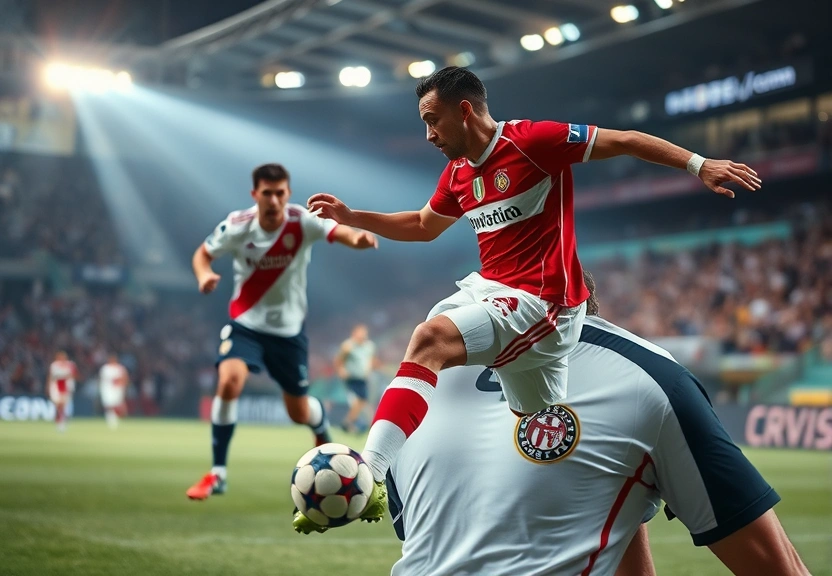
You will learn how this victory improves Corinthians’ chances, which aspects of play to consolidate, and concrete recommendations for coaching, rotation and match management. Read on for tactical breakdowns, actionable tips, and a focused FAQ that addresses the most pressing questions after the 6th round. Consider these insights as a guide to understanding the performance and planning next steps.
Benefits and advantages of the victory
The win against Capivariano delivered several immediate and medium-term advantages for Corinthians. Below are the most important benefits to extract from the game.
-
–
- Points and table position: The victory strengthened Corinthians’ standing in the group and moved them closer to securing a berth in the Paulistão knockout phase.
- Confidence and momentum: With Dieguinho, Gui Negão and Kayke all on the scoresheet, the squad gained confidence across frontline and midfield units.
- Validation of tactical choices: Terrão’s performance validated the coaching staff’s selection and tactical adjustments, showing the system can produce attacking returns and defensive stability.
- Squad depth evidence: Contributions from multiple scorers indicate reliable depth, which reduces single-player dependency and supports rotation during congested schedules.
- Market and morale impact: High-profile performances raise player valuations and energize the fan base, which can translate into stronger home-field advantage in coming fixtures.
–
–
–
–
How-to steps or process to secure qualification
Turning the positive result into guaranteed qualification requires a structured approach across training, match preparation and squad management. Below is a practical step-by-step process.
Step 1 – Analyze the match data
-
–
- Review video of the Dieguinho, Gui Negão and Kayke goals to identify patterns in movement and space creation.
- Isolate transitional moments where Terrão influenced possession recoveries or attacking transitions.
- Use GPS and performance metrics to assess player load and plan recovery schedules.
–
–
Step 2 – Stabilize defensive structure
-
–
- Drill defensive compactness in training – focus on lines staying narrow between midfield and defense.
- Practice situational defending for expected opponent strategies – crosses, set pieces and counterattacks.
- Rotate personnel judiciously to maintain fitness without sacrificing cohesion.
–
–
Step 3 – Optimize attacking set pieces and transitions
-
–
- Exploit set-piece routines that led to the Gui Negão goal – rehearse variations to keep opponents guessing.
- Train rapid transition patterns to capitalize on Terrão’s forward runs and Kayke’s finishing instincts.
- Assign clear pressing triggers to force turnovers in advantageous areas.
–
–
Step 4 – Manage fixtures and psychology
-
–
- Plan rotation cycles around the most physically demanding fixtures – integrate youth players in lower-risk matches.
- Maintain a positive psychological environment after the win; avoid complacency by setting short-term objectives.
–
Best practices after a key win
Implementing a set of best practices helps convert single-game success into sustained progress. The list below emphasizes continuity, tactical refinement and player welfare.
-
–
- Maintain tactical clarity: Keep core tactical principles consistent so players internalize roles established in the victory.
- Prioritize recovery: Use data-driven recovery plans for players like Terrão whose workload increased during the match.
- Communicate clear objectives: Provide players with short-term targets – points needed, energy metrics, and set-piece conversion goals.
- Use video-led feedback: Share concise highlight clips of successful sequences to reinforce positive behavior.
- Integrate squad rotation: Rotate without disrupting tactical identity – bring substitutes who fit role profiles rather than changing style mid-competition.
–
–
–
–
Practical example – applying best practices
After the Capivariano match, the coaching staff can assign Terrão targeted recovery work, while running a 30-minute high-intensity pressing drill for backup midfielders. Simultaneously, set-piece rehearsals should focus on the corner routines that produced Gui Negão’s goal. This balanced approach protects key players and consolidates the tactical wins that produced the result.
Common mistakes to avoid
Avoiding predictable errors will be as important as reinforcing positives. The following mistakes are common after an important victory and can undermine qualification efforts if not addressed.
-
–
- Complacency: Assuming the job is done after a single win is dangerous; track points mathematically and aim for objective milestones.
- Over-rotating: Excessive changes to the starting XI can break cohesion and reduce effectiveness in key phases of play.
- Neglecting recovery: Underestimating fatigue accumulations for high-mileage players like Terrão increases injury risk.
- Poor opponent analysis: Failing to adapt to each opponent’s strengths and weaknesses leads to tactical surprises and potential points loss.
- Ignoring small margins: Not practicing set pieces or transitional defense can cost goals – often decided by narrow margins in tournament group stages.
–
–
–
–
Example of a common mistake
A typical error would be benching Terrão for a perceived “easier” fixture without an adequate replacement prepared in the same tactical role. That disrupts rhythm and may reduce the team’s ability to control transition phases where Terrão excelled.
Actionable tips and recommendations
-
–
- Tip 1 – Data-driven rotation: Use GPS load and wellness scores to determine which players should sit out and who should start. This reduces injury and maintains intensity.
- Tip 2 – Preserve tactical identity: Keep the core formation and pressing triggers that helped Dieguinho and Kayke find scoring opportunities.
- Tip 3 – Build set-piece portfolios: Create several corner and free-kick variations led by players who showed finishing and delivery quality in the match.
- Tip 4 – Opponent-specific scouting: Prepare bespoke game plans for upcoming opponents focusing on weaknesses exposed by Capivariano.
- Tip 5 – Mental resilience training: Include short psychological sessions to maintain hunger and avoid complacency after the win.
–
–
–
–
FAQ
How significant was the match where “Terrão brilha, Corinthians vence Capivariano e encaminha vaga no Paulistão”?
The match was highly significant. It delivered crucial points in round 6, improved goal differential, and reinforced tactical elements that can be exploited in future fixtures. The performance by Terrão and goals by Dieguinho, Gui Negão and Kayke created momentum and provided data-driven reasons to believe the team can clinch qualification if they maintain form.
Who were the key contributors and how did their actions affect the outcome?
Terrão stood out for his work rate, transitional play and tactical discipline, enabling midfield control. Dieguinho, Gui Negão and Kayke scored decisive goals – each illustrating different strengths: finishing in open play, aerial or set-piece proficiency, and clinical poaching in the box. Their combined contributions diversified Corinthians’ attacking threats.
What tactical adjustments should the coach prioritize after this win?
Prioritize compact defending in transition, pressing triggers that force turnovers in offensive third, and set-piece rehearsals. Keep Terrão’s role consistent if it continues to create balance between midfield and attack. Use rotation sparingly and based on conditioning data rather than short-term incentives.
Can the result alone guarantee qualification in the Paulistão?
No single result guarantees qualification. The win improves probability but must be followed by consistent performances. The team should aim to collect the necessary points across remaining fixtures, maintain squad health and adapt tactics to each opponent to ensure qualification.
How should Corinthians manage player fatigue and injuries after a busy schedule?
Implement a recovery protocol that includes targeted physiotherapy, load monitoring using GPS, tailored nutrition plans and scheduled rest days. Use controlled training sessions for players who logged high minutes and gradually ramp intensity for returning players. Rotate intelligently to balance performance and rest.
What are realistic next steps for the team and coaching staff?
Short-term: consolidate formation and press patterns, finalize set-piece routines, and plan rotation based on data. Medium-term: enhance opponent scouting, continue youth integration where appropriate, and protect key players like Terrão from overexposure. Long-term: use this performance as a blueprint for consistency in league play.
Conclusion
Terrão brilha, Corinthians vence Capivariano e encaminha vaga no Paulistão was more than a single result – it was a statement of tactical efficiency, squad depth and player form. The goals by Dieguinho, Gui Negão and Kayke, combined with Terrão’s influential play, provide a platform for the team to secure qualification.
Main takeaways: maintain tactical clarity, prioritize recovery and rotation based on data, rehearse set-piece variations, and avoid complacency. Apply the step-by-step process and best practices outlined above to convert momentum into confirmed progression.
Next steps: Review match footage with coaching staff, implement the recovery and rotation protocol, and prepare opponent-specific plans for upcoming fixtures. Stay focused on measurable objectives and execute consistently.
Act now – support the coaching decisions with data, keep communication clear across the squad, and use this moment as a springboard. The path to qualification is defined by disciplined follow-through and consistent application of the principles that delivered the win.
Original Source
Este artigo foi baseado em informações de: https://www.cnnbrasil.com.br/esportes/futebol/campeonato-paulista/terrao-brilha-corinthians-vence-capivariano-e-encaminha-vaga-no-paulistao/
