
Venezuela Frees Key Opposition Figures as Government Courts U.S. Support marks a consequential shift in Caracas-Washington relations and signals a potential recalibration in Venezuelan domestic politics. The release of around 35 political prisoners has reverberated across diplomatic, economic, and human rights forums, raising questions about the interim government’s objectives, international leverage, and the prospects for a negotiated resolution to the country’s prolonged crisis.
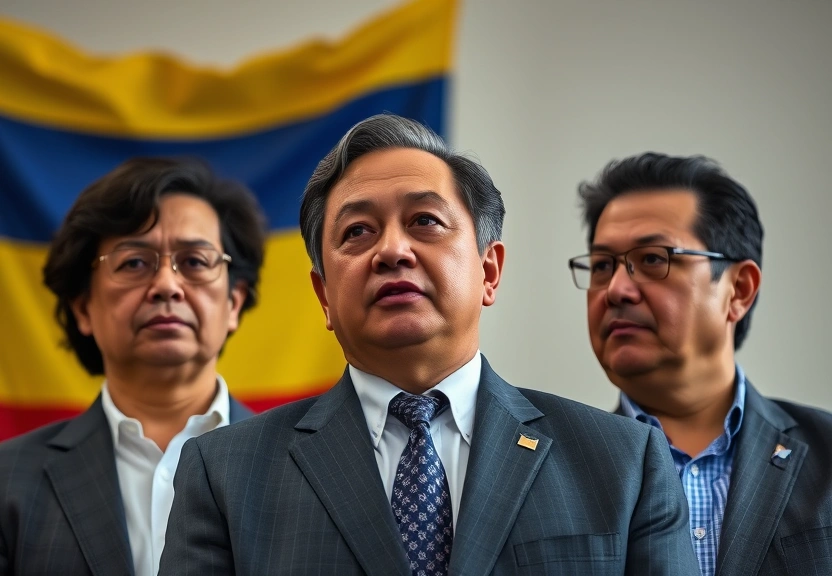
In this analysis you will learn the strategic drivers behind the release, the immediate benefits for multiple stakeholders, a practical step-by-step view of the process that led to the release, best practices for sustaining progress, and common pitfalls to avoid as both Venezuelan authorities and U.S. policymakers navigate next steps. Adopt a policy-focused mindset: assess risks, prioritize rule-of-law safeguards, and prepare for rapid developments that will influence regional stability. Takeaway action – monitor diplomatic channels, evaluate human rights verification mechanisms, and prepare contingencies for sanctions or incentives linked to further reforms.
Benefits – Advantages of the Release and Renewed U.S. Engagement
The decision to free opposition figures presents several tangible advantages for domestic stakeholders and international actors. Understanding these benefits clarifies why the interim government is courting U.S. support, and what each side expects to gain.
- –
- Immediate political de-escalation: The releases reduce tension by addressing a primary grievance of opposition supporters and human rights observers, creating breathing room for political dialogue.
–
- Diplomatic leverage: By releasing prisoners, the interim government signals a willingness to engage with Washington, potentially unlocking targeted sanctions relief, economic assistance, or formal recognition steps.
–
- Improved international standing: Demonstrable human rights steps can improve the government’s relations with multilateral institutions and foreign investors, fostering opportunities for humanitarian aid and reconstruction funding.
–
- Domestic credibility for the opposition: Freed leaders can re-engage in political organizing and negotiations, strengthening civilian oversight and legislative avenues for change.
Practical example: following the release, social and economic policy planning can proceed with less fear of immediate repression, enabling NGOs and international agencies to scale up relief programs. For U.S. policymakers, the move creates an opening to condition further engagement on measurable reforms, such as transparent legal processes and credible electoral timelines.
How-to – Steps and Process That Led to the Release
Understanding the step-by-step process that produced the release clarifies replicable elements and informs how similar outcomes could be achieved. The sequence combines diplomatic signals, legal maneuvers, and internal political calculations.
Step 1 – Diplomatic Engagement and Back-Channel Communication
Washington and the interim government increased contact through formal and informal channels. These exchanges established trust, articulated expectations, and mapped incentives tied to prisoner releases. Key action: maintain discreet, high-level talks while preparing public messaging frameworks.
Step 2 – Legal Review and Conditional Releases
Authorities conducted legal reviews of cases, enabling conditional releases under supervision or agreement to refrain from specified political activities. This approach preserves the government’s ability to manage security concerns while addressing human rights critiques. Key action: implement transparent review criteria and allow independent observers to verify compliance.
Step 3 – International Verification and Monitoring
Third-party observers, including international NGOs and UN representatives where possible, were invited to verify releases and monitor treatment post-release. This step increases credibility and reduces accusations of tokenistic gestures. Key action: establish monitoring protocols and publish findings regularly.
Step 4 – Conditional Policy Incentives
Washington signaled readiness to consider recalibrating sanctions or providing humanitarian assistance contingent on verifiable progress. This created a mutually reinforcing incentive structure. Key action: codify conditions and timelines to maintain momentum.
Practical example: the combination of legal review plus observer verification allowed some prisoners to be released on parole-like conditions, enabling both sides to claim progress while reducing immediate security concerns.
Best Practices – Sustaining Progress and Building Trust
To translate a single set of releases into durable change, stakeholders should adopt best practices that institutionalize reform and limit backsliding.
- –
- Transparency in legal proceedings: Publish case summaries and procedural rationales to reduce perceptions of arbitrary justice.
–
- Independent monitoring: Invite credible international or regional observers to verify compliance with release terms and to report publicly.
–
- Linked incentives and benchmarks: Connect phased sanctions relief or aid disbursements to clear, measurable benchmarks such as judicial reform, media freedom protections, and credible electoral schedules.
–
- Inclusive dialogue frameworks: Involve civil society, victims’ groups, and opposition representatives in designing reform benchmarks and reconciliation mechanisms.
–
- Safeguards for released individuals: Ensure medical, legal, and security support so freed figures can participate safely in civic life and negotiations.
Practical recommendation: create a joint task force with representatives from the interim government, opposition, and international partners to monitor implementation of commitments. Regular public briefings from this task force will strengthen trust and provide a predictable roadmap for future engagement.
Common Mistakes to Avoid
Progress can be fragile. Avoiding common mistakes reduces the risk that a promising diplomatic opening collapses into renewed confrontation.
- –
- Mistake 1 – Treating releases as a substitute for structural reform: Releases are important but insufficient without rule-of-law improvements, judicial independence, and free media.
–
- Mistake 2 – Overly rapid concessions: U.S. or regional actors should avoid lifting core sanctions prematurely without verifiable progress on benchmarks.
–
- Mistake 3 – Ignoring stakeholder inclusion: Excluding civil society or grassroots opposition risks delegitimizing negotiated outcomes and fosters backlash.
–
- Mistake 4 – Weak monitoring mechanisms: Failure to establish robust verification allows both sides to claim progress without real accountability.
–
- Mistake 5 – Politicizing humanitarian assistance: Blurring lines between humanitarian relief and political incentives can undermine trust and the neutrality of aid organizations.
Practical example: previous rounds of conditional engagement faltered when sanctions relief was promised publicly without clear benchmarks, enabling backtracking by authorities without consequences. To avoid repetition, tie any concessions to phased, transparent milestones and independent verification.
Frequently Asked Questions
What prompted the decision that led to Venezuela Frees Key Opposition Figures as Government Courts U.S. Support?
The decision appears driven by a mix of domestic political calculus and international pressure. The interim government sought to ease domestic tensions and improve diplomatic relations, while Washington aimed to leverage releases to promote human rights and open a pathway for conditional engagement. Strategic incentives from both sides – including potential sanctions adjustments and international recognition dynamics – shaped the agreement.
How many prisoners were released and who were they?
Approximately 35 political prisoners were released. They include a mix of opposition activists, local organizers, and some higher-profile leaders previously detained under political charges. Specific identities vary across reports; verification by independent observers is essential to confirm cases and ensure no coercion or restrictions on civil liberties post-release.
Will the U.S. lift sanctions because Venezuela Frees Key Opposition Figures as Government Courts U.S. Support?
Not automatically. The U.S. typically links sanctions relief to verifiable, sustained benchmarks such as judicial reform, transparent electoral processes, and credible human rights improvements. The initial prisoner releases may trigger discussions about phased relief, but measurable steps and independent verification will determine the pace and extent of sanctions adjustments.
What safeguards should be in place to protect released individuals?
Safeguards include legal support to address unresolved charges, medical and psychological care for those affected by detention, security measures if individuals face threats, and guarantees for free civic participation. International monitoring and local civil society involvement are critical to ensure these safeguards are implemented and respected.
How can international actors ensure progress continues after the releases?
International actors should adopt a multi-pronged approach: maintain diplomatic engagement, provide technical assistance for legal and institutional reforms, condition incentives on transparent benchmarks, and support independent monitoring mechanisms. Consistent communication and coordinated actions among international partners reduce loopholes that could undermine progress.
What are the risks if follow-through fails?
If follow-through fails, risks include renewed repression, political polarization, erosion of trust between negotiating parties, and a potential return to harsher sanctions and international isolation. Failure also undermines the credibility of both domestic and international actors who supported conditional engagement, making future negotiations more difficult.
Conclusion
Venezuela Frees Key Opposition Figures as Government Courts U.S. Support represents a significant, actionable opening in a complicated political landscape. The releases offer immediate advantages – reduced tensions, diplomatic openings, and improved prospects for humanitarian and economic assistance – but they require disciplined follow-through. Main takeaways: tie incentives to transparent benchmarks, establish independent monitoring, involve civil society, and protect released individuals with concrete safeguards.
Call to action – policymakers, civil society leaders, and international partners should coordinate to create a clear, phased roadmap with measurable milestones. Monitor legal transitions closely, demand public reporting from verification teams, and prepare contingency plans to respond to any backsliding. Next steps: support the establishment of a joint monitoring task force, publish a timeline for reforms and incentives, and prioritize protective measures for newly released figures.
Original Source
Este artigo foi baseado em informações de: https://www.nytimes.com/2026/02/08/world/americas/venezuela-opposition-leaders-released.html
