
Memphis Depay escorrega e perde pênalti contra o Palmeiras; veja o lance
Memphis Depay escorrega e perde pênalti contra o Palmeiras; veja o lance was the decisive moment that captured attention during the Paulistao classic. In a match that remained level at 0-0, the missed spot-kick became a focal point for fans, coaches, and analysts. This article dissects the incident, explains why it mattered, and offers practical takeaways for players and teams.
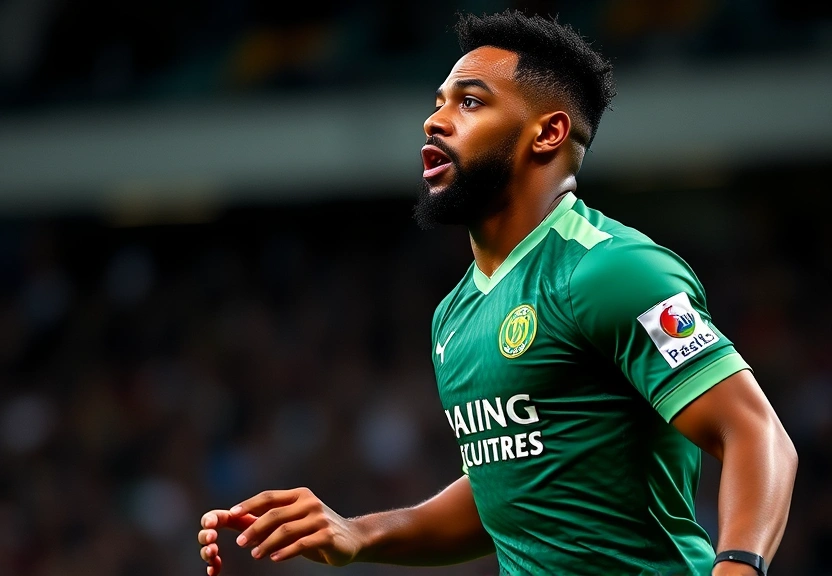
You will learn a detailed breakdown of the sequence leading to the penalty, the technical and environmental factors that contributed to the slip, and actionable recommendations to reduce similar errors. Read on with a focus on tactical impact, player preparation, and what this means for both Memphis Depay and Palmeiras going forward.
Call to action mindset: watch the clip, analyze the details, and apply the lessons to training or match preparation to avoid repeat situations.
Benefits and advantages of analyzing the incident
Studying the moment when Memphis Depay escorrega e perde pênalti contra o Palmeiras; veja o lance provides multiple benefits to stakeholders across football:
-
–
- Improved player preparation – understanding the slip helps players refine their run-up, planting technique, and footwear choices.
- Coaching insights – coaches can use the clip to adjust penalty routines and pre-kick checks under adverse conditions.
- Medical and conditioning input – sports scientists can assess whether fatigue or surface traction played a role.
- Match strategy refinement – teams can factor field conditions and psychological pressure into halftime adjustments.
–
–
–
By treating the incident as a case study rather than a single error, clubs gain an advantage in preventing similar costly moments.
How-to steps – process to analyze and respond
Follow this structured process to analyze the penalty incident and implement corrective measures.
Step 1 – Collect and verify footage
Obtain multiple camera angles including broadcast, sideline, and referee footage. Verify the timestamp and cross-check with official match reports to ensure accuracy.
Step 2 – Break down the biomechanics
Examine Depay’s approach speed, plant foot position, body lean, and contact point on the ball. Look for signs of over-rotation, vertical force imbalance, or late adjustments in the ankle.
Step 3 – Assess environmental variables
Document pitch wetness, turf type, and boot-stud interaction. Confirm whether earlier incidents in the match suggested slipperiness or inconsistent footing.
Step 4 – Review psychological and situational context
Consider crowd noise, pressure of a classic, game state (0-0), and recent penalty history. Mental fatigue and stress can alter motor patterns.
Step 5 – Implement practical interventions
-
–
- Training drills focusing on planted-kick stability and balance under simulated match pressure.
- Footwear trials to identify optimal stud configuration for the turf used in the stadium.
- Pre-kick checklist for captains and referees to confirm safe spot-kick conditions.
–
–
Best practices
Adopting best practices reduces the likelihood of incidents like Memphis Depay escorrega e perde pênalti contra o Palmeiras; veja o lance repeating. The following recommendations are actionable and evidence-based.
Player-level best practices
-
–
- Consistent run-up routine – maintain a repeating pattern to stabilize motor execution under pressure.
- Foot planting technique – emphasize a slightly wider and lower center of gravity to improve traction at the moment of contact.
- Warm-up checks – test the spot and immediate surrounding surface during pre-kick warm-ups.
–
–
Coach and team-level best practices
-
–
- Scenario-based training – simulate wet or low-traction surfaces and crowd pressure to condition adaptive responses.
- Data-driven footwear selection – maintain a log of boot-surface performance across stadiums to inform match-day choices.
- Clear communication between captain, player, and referee about perceived footing risks before a penalty is taken.
–
–
Referee and governing-body best practices
-
–
- Pre-kick surface inspection – referees should confirm that the spot is safe and visible evidence of reduced traction should be acted on.
- Consistency in decisions – establish transparent criteria for postponing or re-taking spot-kicks when pitch conditions compromise safety.
–
These best practices not only address immediate technical errors but also foster a culture of prevention across teams and competitions.
Common mistakes to avoid
Many of the same factors that led to Memphis Depay escorrega e perde pênalti contra o Palmeiras; veja o lance are avoidable. Here are common mistakes and how to prevent them.
Mistake 1 – Ignoring pitch conditions
Failing to inspect the spot and surrounding ground can lead to unexpected slips. Pre-kick checks are essential.
Mistake 2 – Altering run-up at the last moment
Small last-second adjustments disrupt rhythm. Maintain a rehearsed routine and stick to it even when facing pressure.
Mistake 3 – Poor footwear choice
Using studs designed for hard ground on a wet or soft pitch increases slip risk. Conduct boot trials during warm-up and maintain multiple options.
Mistake 4 – Neglecting balance and strength training
Insufficient conditioning of stabilizing muscles compromises plant-foot control. Include single-leg stability exercises in regular training.
Mistake 5 – Underestimating psychological pressure
Players often focus solely on technique and omit mental rehearsal. Add visualization and breathing protocols to penalty practice.
Addressing these mistakes reduces the statistical probability of incidents similar to the Depay penalty slip and strengthens team resilience in high-pressure moments.
Actionable tips and practical examples
Below are concise, actionable tips you can implement immediately, illustrated with practical examples from professional settings.
-
–
- Tip 1 – Two-step verification: before a penalty, the taker walks to the spot and tests the planting surface with their non-kicking foot. Example – club captains in European leagues perform a quick foothold check before high-value kicks.
- Tip 2 – Boot rotation: keep a dedicated penalty boot with specific studs for wet conditions. Example – several top clubs assign a penalty boot to their primary taker based on matchday surface analysis.
- Tip 3 – Balance drills: integrate single-leg squats and BOSU ball drills twice weekly. Example – sports science teams report improved penalty accuracy after six weeks of balance-focused microcycles.
- Tip 4 – Pressure simulation: create crowd-noise conditions and time constraints during penalty practice. Example – youth academies replicate stadium noise to desensitize players to external stressors.
–
–
–
These tips are low-cost, high-impact, and translatable from elite environments to amateur clubs and academies.
Match context and tactical impact
The classic remained tied at 0-0 after Memphis Depay escorrega e perde pênalti contra o Palmeiras; veja o lance, and that single event carried several tactical implications:
-
–
- Momentum shift – a missed penalty in a tight match often energizes the defending side and affects the opposing team’s tactical confidence.
- Substitution decisions – coaches may change attacking personnel or bring on specialists to manage the psychological aftermath.
- Set-piece adjustment – teams likely review how to generate higher-quality penalty situations in the remainder of the competition.
–
–
Understanding these impacts helps coaches make informed, objective decisions in subsequent phases of the match and tournament.
FAQ
Was the penalty call valid in the incident where Memphis Depay slipped?
The referee awarded the penalty based on the foul that occurred prior to the kick. After the award, the slip was a result of footing and execution. Official match footage and VAR checks, if used, can confirm the decision to award the penalty, but the slip itself is a technical failure by the taker rather than an officiating error.
Did pitch conditions contribute to Memphis Depay slipping?
Preliminary visual analysis shows the surface exhibited signs of low traction in the penalty area. Wet patches or worn turf near the spot can affect stud purchase. Clubs should perform a post-match pitch inspection and consult stadium groundskeeping reports for definitive confirmation.
Can players change boots at the last minute if they detect poor traction?
Yes, players can change boots during match warm-up and even up to the moment of the kick, provided the substitution of equipment does not delay the game. It is advisable to have contingency boots ready and approved by the team’s equipment manager.
How should a player mentally recover after missing a penalty like Depay did?
Immediate strategies include controlled breathing, brief refocusing routines, and communication with teammates. Long-term recovery involves working with sports psychologists on resilience training, visualization of successful kicks, and reestablishing confidence through progressive goal-setting in practice.
What tactical changes might the coach make after this incident?
Coaches may opt for more conservative possession play to regain composure, introduce players with strong set-piece conversion rates, or adjust formations to reduce high-risk situations. Tactical changes depend on match context, remaining time, and overall tournament strategy.
Will this affect Memphis Depay’s role as a penalty taker?
That is a tactical decision for the coach. Some managers maintain faith in primary takers, reinforcing confidence with support and additional practice. Others may temporarily shift responsibility to another specialist while the player rebuilds form. The optimal choice balances psychological support with team scoring needs.
Conclusion
Memphis Depay escorrega e perde pênalti contra o Palmeiras; veja o lance was more than a single missed opportunity – it is a useful case study in technique, environment, and psychology. Main takeaways: inspect surfaces before kicks, maintain a consistent run-up, choose appropriate footwear, and incorporate balance and pressure training into regular practice.
Clubs and players should use this incident to enhance protocols and reduce future risk. Next steps: review the full clip, conduct a detailed post-match analysis, and implement the practical tips above in training sessions.
Call to action: watch the replay, analyze the technical details, and apply the recommended best practices to prevent similar slips. For coaches and players, prioritize immediate adjustments in training and match preparation to turn lessons into results.
Original Source
Este artigo foi baseado em informações de: https://www.cnnbrasil.com.br/esportes/futebol/campeonato-paulista/memphis-depay-lance-penalti-corinthians-palmeiras/
